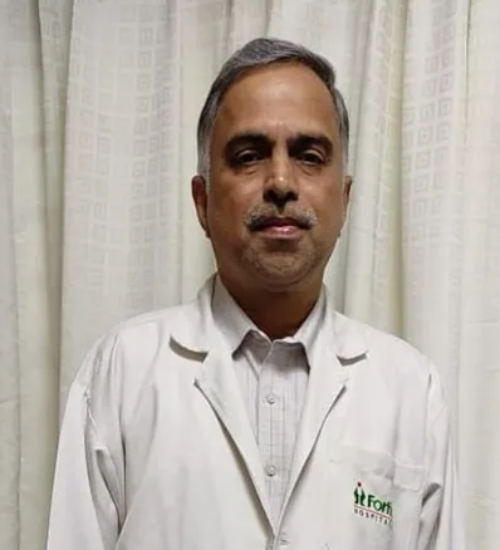
Dr. Vinod Urs provides consultations for disorders affecting the ears, nose, throat and related structures. Evaluation may involve physical examination, hearing assessment, endoscopic investigations and appropriate medical or surgical treatment.
Dr. Vinod Urs has clinical experience in Pediatric Otorhinolaryngology, which involves evaluating ear, nose and throat conditions affecting infants and children. Common concerns include recurrent ear infections, hearing problems, nasal obstruction and congenital ear disorders.
Ear infections may cause ear pain, discharge, fever and temporary hearing difficulties. Treatment depends on whether the infection affects the outer, middle or inner ear and may include medication, ear care or further specialist intervention.
Chronic middle ear infections can cause recurring ear discharge, hearing loss and eardrum damage. ENT assessment helps identify the underlying condition and determine whether medication, hearing assessment or ear surgery is required.
Hearing loss may result from age-related changes, ear infections, middle ear disorders or congenital conditions. Evaluation may include otoscopic examination, audiometry and other investigations to identify the type and severity of hearing impairment.
Dr. Vinod Urs lists ear microsurgery among his clinical services. Ear microsurgery uses specialized magnification and instruments to treat selected conditions affecting the middle ear and nearby structures.
Reconstructive middle ear surgery aims to repair damaged structures of the middle ear and, when possible, improve sound conduction. The procedure may be considered for selected patients with chronic ear disease or structural damage.
Tympanoplasty is a procedure used to repair an eardrum perforation and selected middle ear abnormalities. It may help reduce recurrent infections and improve hearing in appropriately selected patients. The suitability of this procedure requires specialist evaluation.
Congenital ear disorders are abnormalities of the external, middle or inner ear present from birth. Dr. Vinod Urs lists congenital ear problem treatment among his services, including the assessment of ear structure and associated hearing concerns.
Hearing difficulties in children may affect speech, communication and learning. Pediatric ENT evaluation can help identify ear infections, middle ear fluid or congenital hearing disorders and guide further hearing tests or treatment.
Sinusitis may cause nasal congestion, facial pressure, nasal discharge and reduced sense of smell. Dr. Vinod Urs lists sinusitis management among his areas of practice. Treatment may include medication, saline nasal irrigation and further investigations for persistent symptoms.
Chronic sinusitis involves inflammation of the nasal and sinus passages lasting for an extended period. Evaluation may include nasal examination, endoscopy and imaging when appropriate. Treatment depends on the underlying cause and severity.
Nasal obstruction may result from inflammation, allergies, a deviated nasal septum, enlarged turbinates or nasal polyps. ENT assessment helps identify the cause and determine whether medication or further treatment is needed.
Nasal endoscopy is an examination technique that uses a thin instrument to inspect the nasal passages and sinus drainage areas. It may help evaluate persistent nasal blockage, chronic sinusitis and nasal polyps.
Voice disorders may cause hoarseness, voice fatigue, breathiness or changes in vocal quality. Assessment helps identify conditions affecting the vocal cords and determine whether voice therapy, medication or surgery is appropriate.
Thyroplasty is a surgical procedure used to change the position or support of a vocal cord, commonly for selected cases of vocal cord weakness or paralysis. Dr. Vinod Urs specifically lists thyroplasty among his clinical services.
Persistent hoarseness may be associated with vocal strain, inflammation, vocal cord lesions or paralysis. ENT evaluation can include examination of the voice box to determine the cause and guide appropriate treatment.
Tonsillitis causes inflammation of the tonsils and may lead to sore throat, fever and painful swallowing. Management depends on the cause and frequency of infections and may include supportive care, medication or surgical evaluation for selected cases.
Enlarged adenoids in children may contribute to nasal obstruction, snoring, mouth breathing and middle ear problems. Pediatric ENT assessment helps determine whether observation, medication or additional treatment is appropriate.
An eardrum perforation may occur following infection, injury or pressure changes. Some perforations heal naturally, while persistent perforations may require surgical assessment for eardrum repair.
Vertigo and balance problems can arise from disorders affecting the inner ear or other medical conditions. Clinical evaluation helps identify possible causes and determine whether vestibular testing, repositioning maneuvers or specialist referral is needed.
Throat infections may cause pain, fever, irritation and difficulty swallowing. Treatment depends on whether the cause is viral, bacterial or related to another condition, with further ENT assessment for recurring or persistent symptoms.